
Loading...
Serving Edinburg, TX and surrounding areas. (956) 957-0103
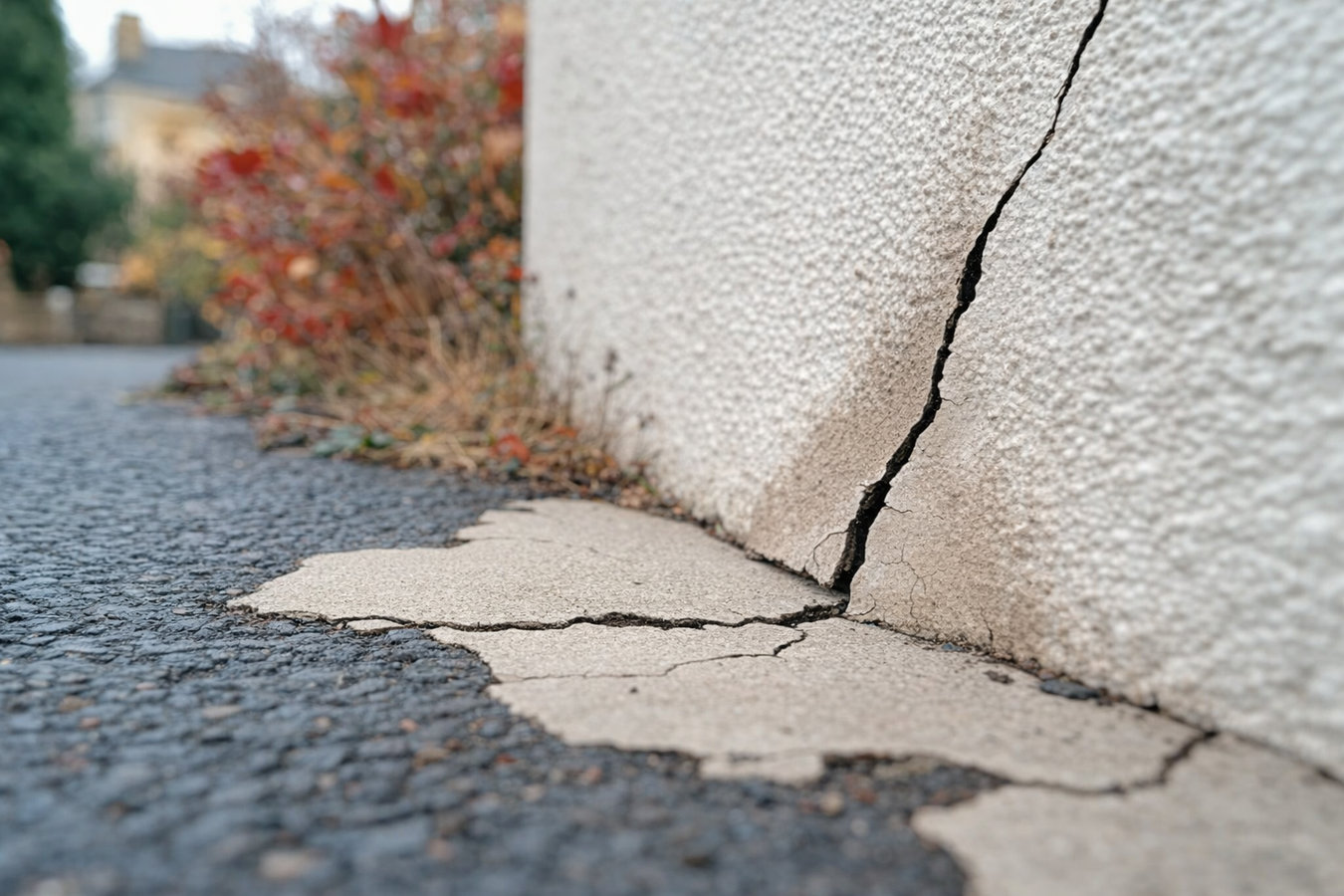
A sinking foundation in Edinburg only gets worse through the summer heat and dry cycles. We lift and stabilize your slab with the right piers, pull the city permit, and back the work with a written warranty so you stop watching those cracks grow and start knowing the problem is handled.
Foundation raising in Edinburg, TX is the process of lifting a sunken or tilted slab back toward its original position using steel or pressed concrete piers driven to stable soil - most residential jobs take one to three days of active work, and you can stay in your home throughout.
If you are in Edinburg or anywhere in Hidalgo County, the soil underneath your home is almost certainly heavy clay - the kind that swells when it rains and shrinks hard when it dries out. That seasonal movement is the single biggest reason foundations in this region sink and tilt. It is not a sign your home was built wrong. It is just the reality of living in South Texas, and it is why foundation raising is one of the most common repairs contractors here handle. Understanding the local soil conditions is the first thing an experienced contractor should demonstrate before recommending a repair approach.
Once the foundation is stabilized, some homeowners also need cuts made to add drainage channels or relief joints - our concrete cutting service handles that work. For properties that need a full slab pour rather than a lift, our slab foundation building service covers the complete process from site prep through city inspection.
If doors that used to swing freely now drag on the floor or refuse to close all the way, that is one of the clearest signs your foundation has shifted. In Edinburg, this symptom often gets worse in late summer after the soil has dried out and contracted beneath the slab. It is easy to dismiss as a humidity issue, but if it is happening on multiple doors or windows at once, the foundation is the more likely cause.
Diagonal cracks that run from the corners of door frames or windows toward the ceiling are a common sign of foundation movement - not just normal settling. In Edinburg's clay soil, these cracks often appear or widen after a dry stretch followed by heavy rain. A single hairline crack is not necessarily an emergency, but several cracks appearing at the same time or growing over weeks is worth having looked at.
Walk slowly through your home and pay attention to whether the floor feels like it tilts in any direction. In slab-on-grade homes - which is most of Edinburg - an uneven floor almost always means the slab itself has moved, not just the flooring material on top of it. You can also set a level on the floor in different rooms to get a clearer sense of how much slope is present.
If you notice a gap opening up where your interior walls meet the ceiling, or where the baseboard trim meets the floor, the structure is moving in ways it should not. These gaps tend to appear gradually and are easy to overlook until they become obvious. In Edinburg homes, this kind of separation is often most visible in the corners of rooms and along exterior walls.
Foundation problems do not pause on their own - in Edinburg's climate, the summer heat and dry soil make them worse every season you put off the repair. If you are seeing two or more of these signs, calling for an assessment costs you nothing and gives you a clear answer.
The two repair methods you will hear about most often are steel pier installation and pressed concrete pier installation. Steel piers are driven deeper into the ground and tend to hold more reliably in the shifting soil common across Hidalgo County. Pressed concrete piers are a more affordable option that works well in certain soil conditions. Your contractor should explain which method fits your specific situation and why - not just default to whatever they have on the truck. Both methods are designed to work with homes built on slab-on-grade foundations, which describes the vast majority of Edinburg properties.
Many jobs also include drainage correction alongside the lift, because raising a foundation without fixing the water patterns that caused the settling in the first place is only solving half the problem. We look at how water flows around your home during the assessment and flag any issues that could undo the repair over time. If a more extensive concrete surface is needed after the lift, our concrete cutting team can handle relief joints and drainage channels in the same project window.
Suited for homes with significant settling or in areas with deep unstable soil layers, where piers need to reach very stable ground far below the surface.
Suited for properties where soil conditions allow for a more affordable pier method and the degree of settling is moderate.
Suited for homes where poor yard grading or gutter issues have been accelerating the foundation movement - addressing drainage protects the repair investment.
Suited for homes where only one side or corner of the foundation has settled, requiring targeted pier placement rather than a full-perimeter job.
Edinburg has grown quickly over the past two decades, and that growth has brought homes onto land that was not always fully prepared for the region's soil conditions. Homes in established neighborhoods closer to downtown were built on clay soil that has been shifting for fifty years or more - and newer subdivisions on the north and west sides sometimes started settling within just a few years due to inadequate soil compaction during construction. Whether your home is near the UTRGV campus or out in one of the newer developments, the underlying soil challenge is the same: clay that moves with every rain and every dry stretch.
We serve homeowners throughout the Rio Grande Valley, including jobs in Pharr and McAllen, where the same Hidalgo County clay creates the same foundation challenges for homeowners on both sides of the highway. Soil behavior does not stop at city limits, and neither does our work. An external resource worth reviewing is the Texas A&M AgriLife Extension, which publishes straightforward guidance on how expansive clay soils behave and why they cause problems for slab foundations across South Texas.
Reach out by phone or contact form and we respond within one business day. We will ask what you are seeing, how long it has been going on, and the general age and size of your home. Most reputable contractors in the Edinburg area offer the initial assessment at no charge.
We walk through your home and around the exterior, check door and window alignment, measure floor level, and look at drainage around the home. At the end of the visit, you receive a written estimate outlining the recommended repair method and pier count - no surprises once work begins.
Before any work begins, we apply for the required building permit through the City of Edinburg. This typically takes a few business days. Once approved, you get a start date. Make sure exterior areas around the home are accessible and any vehicles near work zones are moved.
The crew excavates small holes at each pier location, drives or presses the piers to stable soil, then uses hydraulic jacks to carefully raise the foundation. Expect normal creaking inside as the structure adjusts. After the lift, we backfill, clean up, and walk you through the warranty and any cosmetic repairs to plan inside.
Free on-site assessment, written estimate before any work begins, city-permitted job from start to finish.
(956) 957-0103Edinburg's expansive clay soil is one of the most active in Texas - it swells and shrinks with every wet and dry cycle. We design pier placement and depth with that behavior in mind, not just to minimum requirements. Homeowners across Hidalgo County have trusted us with work in these conditions, and we know what holds and what does not.
The City of Edinburg requires a permit for foundation repair work, and we handle the application before any excavation starts. A permitted job means a city inspector checks the work independently - not just our word. That documentation also protects your home's value when you are ready to sell.
We provide a written warranty covering both the piers and the labor, and we explain the transfer terms so you know exactly what happens if you sell the home. Ask about the warrant before you sign with any contractor - a company that hesitates to put it in writing is telling you something. The{' '}Foundation Repair Association{' '}sets the industry standards our work is measured against.
Most foundation problems do not announce themselves all at once. We recommend a follow-up inspection six to twelve months after the repair to confirm the piers are holding and nothing has shifted further. If you notice new symptoms during that window, call us - most warranties cover exactly that situation.
Foundation raising is one of the higher-stakes repairs a homeowner can make - the work happens underground, the cost is significant, and a poor job may not show its problems for a year or two. Every commitment we make before and during the job, from the written estimate to the city permit to the follow-up check, is designed to give you a clear record of what was done and confidence that it holds.
Precision cuts for drainage channels, utility access, and relief joints - services that often go hand-in-hand with foundation stabilization in Edinburg.
Learn MoreFull slab pours for new builds and additions in the Rio Grande Valley, designed and permitted for Edinburg's clay soil conditions.
Learn MoreEdinburg's summer heat and dry soil cycles make foundation problems worse every season - call us today to schedule your free assessment and get a written estimate before anyone picks up a shovel.